
What Is Hypervigilance? Understanding the Signs, Causes, and Why It Develops
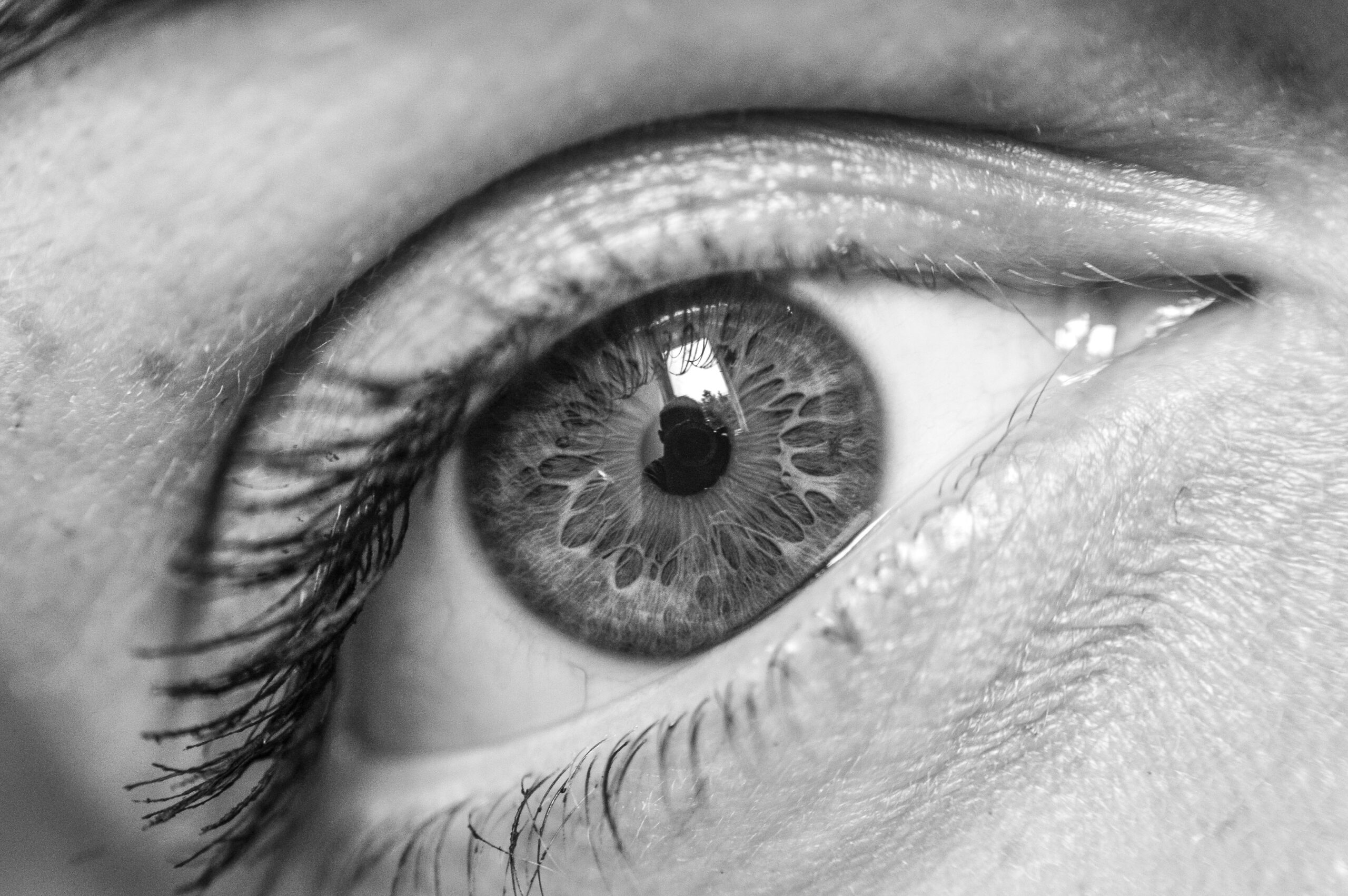
Hypervigilance is a trauma related nervous system state where your body stays on alert, scanning for potential threat. That threat might be physical. But in modern life, it is usually relational.
Tone changes. Silence. Delayed responses. Subtle shifts in mood. Feedback. Uncertainty.
Hypervigilance is not simply anxiety. It is sustained threat monitoring. It is your nervous system trying to stay ahead of something it once learned was painful.
Free download: List of Grounding Techniques PDF: Comprehensive Tools for Stability
Grab the free PDF to keep these practices close at hand. Get it here →
Signs of Hypervigilance
Hypervigilance symptoms can be physical, emotional, and relational.
- Muscle tension that rarely fully releases
- Shallow breathing without realizing it
- Tracking changes in tone or facial expression
- Replaying conversations repeatedly
- Anticipating conflict before it happens
- Feeling responsible for managing emotional tension
- Difficulty relaxing even in safe environments
Self Identification
Select what feels familiar.
Why Hypervigilance Develops
Hypervigilance often develops from trauma, chronic stress, or repeated relational unpredictability. This is closely tied to a broader pattern called nervous system dysregulation, where your body gets stuck signaling danger even when none is present. Trauma does not always mean a single catastrophic event. It can mean emotional inconsistency, criticism, instability, or environments where mistakes had strong consequences.
The nervous system adapts through repetition. If it repeatedly experienced social threat, it increases alertness to prevent being caught off guard again.
Trauma and Hypervigilance
Hypervigilance is one of the most common trauma responses. When the nervous system detects threat, it activates the sympathetic system. This detection happens below conscious awareness through a process called neuroception, your body’s built-in safety radar. Heart rate increases. Muscles tighten. Attention narrows.
In relational trauma, the threat is social. Rejection. Shame. Emotional withdrawal. Over time, the body treats subtle cues as potential danger.
Build Your Pattern Map
Where does hypervigilance show up most for you?
What is your body’s first signal?
What It Feels Like From the Inside
Hypervigilance often feels like responsibility. Like maturity. Like being perceptive. Like being the steady one.
But internally, it may feel like:
- Never fully resting
- Living slightly ahead of the present moment
- Feeling exhausted from constant monitoring
- Struggling to trust reassurance
The Cost of Staying on Guard
Long term hypervigilance can impact sleep, digestion, emotional regulation, and relationship satisfaction. It narrows perception and increases reactivity.
Understanding hypervigilance clearly is the first shift. You cannot change a pattern you do not recognize. From there, these science-backed nervous system regulation tools can help you begin shifting out of constant high alert. If you’re ready for concrete next steps, How to Stop Being Hypervigilant offers practical ways to begin.
Frequently Asked Questions
What is hypervigilance?
Hypervigilance is a heightened state of alertness in which your nervous system is constantly scanning for potential threats, even in safe environments. It’s a survival response that can become chronic after prolonged stress, trauma, or unpredictable environments.
What causes someone to become hypervigilant?
Hypervigilance often develops after experiences where danger was real or environments were unpredictable, such as trauma, abuse, chronic conflict, or growing up in an unstable household. The nervous system adapts by staying “on guard” to try to prevent future harm.
What does hypervigilance feel like in the body?
Common physical signs include muscle tension, a racing heart, shallow breathing, difficulty relaxing even in safe settings, being easily startled, and scanning rooms or situations for potential threats without consciously deciding to.
Can hypervigilance be healed or reduced over time?
Yes. With consistent nervous system regulation practices (grounding, breathwork, safe relationships, and often trauma-informed therapy) the body can gradually learn that it’s safe to relax its guard, though this typically takes sustained, patient practice rather than a quick fix.
What is hypervigilance in PTSD specifically?
In PTSD, hypervigilance is one of the core arousal symptoms, an ongoing state of heightened threat-scanning that persists even in objectively safe environments, driven by a nervous system that remains primed for danger following trauma exposure.
How does hypervigilance relate to the nervous system more broadly?
Hypervigilance is one expression of a nervous system stuck in a heightened alert state. Our guide on nervous system dysregulation covers the broader pattern, and our guide on how to stop being hypervigilant covers practical steps forward.
Related resources
Why Your Body Treats an Unanswered Message Like Danger

The Most Effective Somatic Exercises | Step-by-Step

How to Regulate Your Nervous System

Emotional Trauma Release Exercises (TRE): 10 Somatic Exercises to Release Trauma

What Does Somatic Mean?

Neuro-Somatic Educator • Founder, Conscious Cues
Jordan Buchan is the founder of Conscious Cues and a Neuro-Somatic Educator whose work focuses on the process of turning insight into lived experience. She helps people move beyond simply understanding themselves and into embodying real change so what they know begins to shape how they feel, respond, and live.

Psychologist • Certified Kundalini Yoga Instructor
Manuel Alejandro Patiño is a psychologist and certified Kundalini yoga instructor who works where clinical psychology, somatic practice and contemplative tradition meet. He is a certified practitioner of heart-rate variability biofeedback and pulse analysis. He reviews Conscious Cues resources for clinical accuracy.