
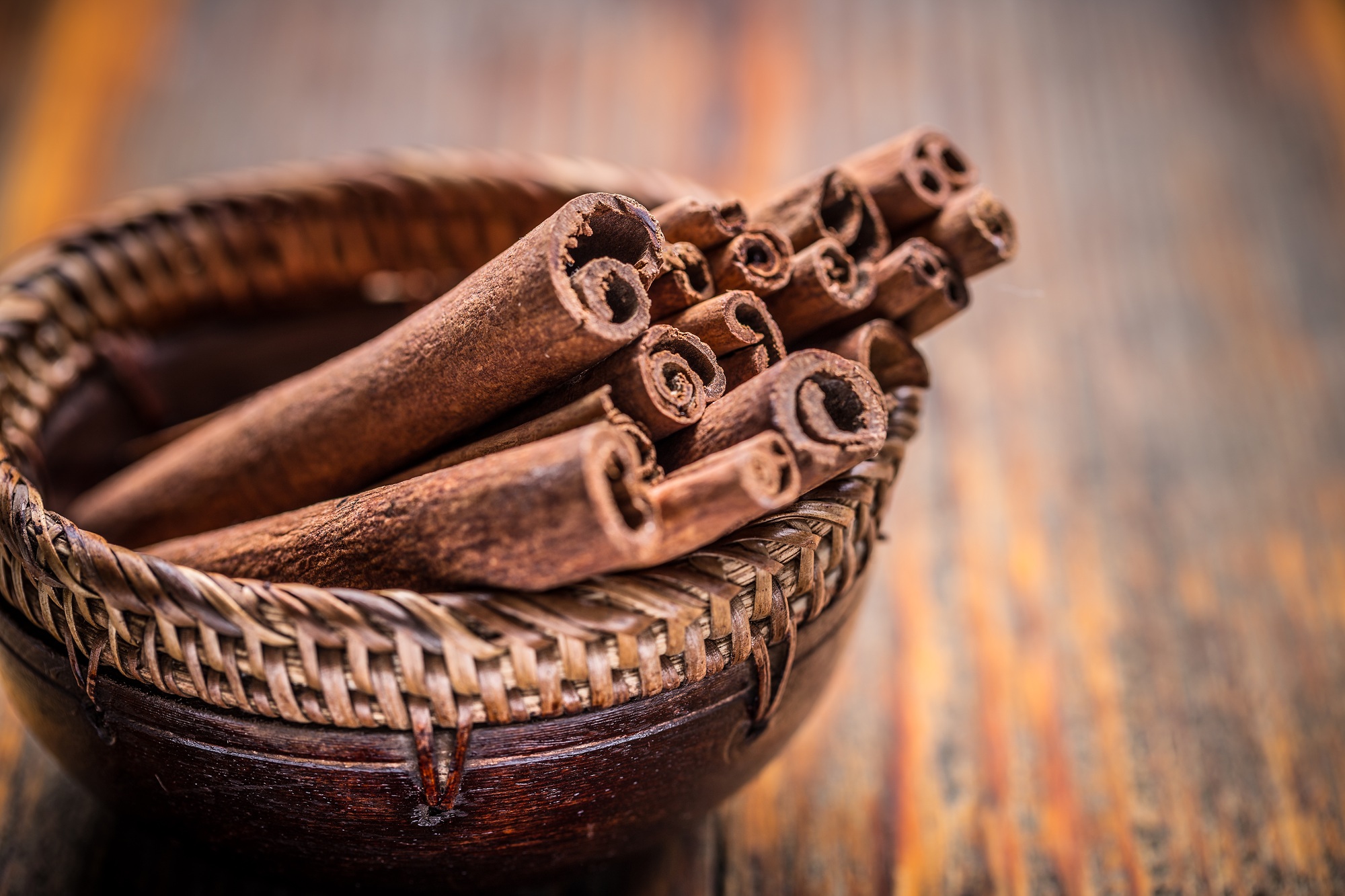
For centuries, cinnamon has held a place of reverence in spiritual and cultural traditions across the globe, valued not just as a spice, but as a symbol of abundance, protection, and prosperity.
In recent years, a growing number of people have adopted rituals such as blowing cinnamon into the home on the first of the month. While this may appear purely symbolic to some, combining intention with action is a time-honored technique in both psychological and spiritual practices.
Skeptics may ask: Can a pinch of cinnamon really influence your life? From a scientific standpoint, the power of rituals lies not in superstition, but in the measurable effects of intentional behavior. Research in neuroscience and behavioral psychology shows that rituals, when performed with focused attention, can improve mood, sharpen mental clarity, and increase motivation. For instance, this study highlights that rituals reduce neural responses to performance errors, helping individuals stay composed under pressure.
Meanwhile, other research has shown that such structured behaviors boost self‑discipline, improving outcomes in tasks like food choices and volunteering decisions. studies suggest that the scent of cinnamon can enhance cognitive performance and uplift mood through its influence on the limbic system, the brain’s emotional center.
Beyond behavior, the scent of cinnamon itself influences cognition via the emotional areas of the brain. Neuroimaging research reveals that simply processing cinnamon-related words activates olfactory and emotional centers. A recent systematic review of 40 preclinical and clinical studies concludes that cinnamon and its key compounds such as eugenol, cinnamaldehyde and cinnamic acid, can significantly improve memory and learning, even reducing brain anomalies associated with Alzheimer’s disease.
Much like lighting a candle to shift ambiance or using aromatherapy to center the mind, cinnamon rituals work as a form of embodied mindfulness,, a way to align your thoughts, environment, and behavior. Speaking your intention while performing a ritual turns an ordinary act into a psychologically potent one, bridging the mystical with the measurable.
This guide is here to give you a step-by-step of this ritual including what to say when blowing cinnamon.
Safety Considerations: Use Cinnamon Mindfully
While cinnamon is generally safe for ritual use, keep these points in mind:
- Allergies & Sensitivities: Some individuals may experience skin irritation, sneezing, or respiratory sensitivity when handling or inhaling cinnamon powder. If you’re unsure, perform a small test or consult a healthcare provider.
- Avoid Eyes & Mucous Membranes: Do not touch your eyes, mouth, or face after handling cinnamon powder. Wash your hands thoroughly afterward.
- Pets & Children: Keep cinnamon rituals out of reach of small children and pets, as inhalation or ingestion in large quantities can be harmful.
- Clean-Up Tip: After letting the powder sit for 24 hours, sweep or vacuum it carefully to prevent it from becoming airborne dust.
Explore the Resource Center
Browse our full library of free worksheets, meditation scripts, and PDF guides. Visit the Resource Center →
How to Perform a Cinnamon Ritual (Step-by-Step)
Here’s a mindful way to perform the popular doorway ritual on the first of the month or any time you need to reset your energy:
Ritual Instructions:
- Gather Your Tools: Ground cinnamon powder, a small dish or bowl, and a quiet moment near your front door.
- Set a Clear Intention: Decide what you’re inviting in. It could be abundance, joy, clarity, protection.
- Take a Breath, Hold the Cinnamon: Feel the texture, inhale the scent, and center your body.
- Blow Cinnamon into the Doorway: Face inward from outside your front door. As you gently blow the cinnamon inside, visualize your intention filling your home.
- Speak Your Affirmation: Say it clearly and from the heart. (See examples below.)
- Leave the Powder for 24 Hours: Let it sit as a symbolic anchor of what you’re manifesting before sweeping it away.
What to Say When Blowing Cinnamon (With Examples)
Your words direct the energy of the ritual. Speak slowly and intentionally as you blow the cinnamon:
Powerful Affirmations:
- “Abundance flows easily into my home and my life.”
- “With this cinnamon, I invite wealth, joy, and stability.”
- “I welcome success, safety, and spaciousness into this space.”
- “Prosperity surrounds me. I breathe it in. I live it now.”
- “I am open to unexpected blessings and aligned opportunities.”
✨ Tip: You can write your affirmation beforehand and read it aloud, or speak from the heart in the moment.
The Meaning Behind Blowing Cinnamon into Your Doorway
Why the First of the Month?
It symbolizes a clean slate, energetically aligning your space with your desires from day one.
What Happens Symbolically?
- The cinnamon “marks” your threshold with energetic intention
- Blowing spreads energy outward and inward like planting seeds
- The aroma gently shifts mood, focus, and memory toward your goal
Other Cinnamon Ritual Variations (And Their Intentions)
Rituals evolve. Here are additional ways people use cinnamon for manifestation, protection, and energy-clearing:
Cinnamon and Salt Ritual (for Protection)
Mix cinnamon and sea salt, then sprinkle around your doorway or workspace to invite peace and ward off negativity.
Cinnamon Abundance Paper Spell
Write your goal on a slip of paper. Sprinkle cinnamon on it. Fold it toward you (to draw energy in), then burn it or keep it on your altar until it manifests.
New Year’s Cinnamon Sweep
On New Year’s Day, sweep cinnamon from the back of your house to the front door to energetically “sweep in” fortune for the year ahead.
The Science Behind Cinnamon Rituals
Although cinnamon rituals are symbolic by nature, scientific research offers insight into why they’re so impactful, physiologically and psychologically.
What Science Says About Cinnamon:
- Antimicrobial Properties: Cinnamon contains cinnamaldehyde, which has antibacterial and antifungal effects, supporting its use in purification traditions. A study published in 2020, found that cinnamaldehyde disrupts fungal and bacterial development by nearly 68%.
- Cognitive and Mood Benefits: The scent of cinnamon has been linked to improved memory, attention, and mental performance in psychological studies.
- Behavioral Impact of Rituals: Neuroscience shows that structured rituals can increase focus, reduce anxiety, and enhance goal-setting behavior. The act of blowing cinnamon may function like a micro-meditation that centers the nervous system and intention. A 2024 Wall Street Journal review, explains that rituals channel stress into performance-enhancing arousal by giving the mind something tangible to grip onto under pressure. Notably, rituals like blowing cinnamon act as micro-meditations, grounding intention and centering the nervous system. They offer a brief yet powerful reset, activating attention, suppressing intrusive thoughts, and regulating the stress response.
Why Rituals Work: Psychology + Symbolism
Rituals like blowing cinnamon aren’t “magic” in the supernatural sense, they’re structured behaviors that influence mindset, motivation, and belief. Here’s how:
✔ Anchoring Intention – Saying affirmations while performing a physical act helps root your goal in your awareness.
✔ Creating a Sense of Control – Rituals provide structure and predictability, which soothes anxiety.
✔ Enhancing Belief in Possibility – Symbolic actions prime the brain to notice opportunities aligned with your intention.
Frequently Asked Questions
What is the cinnamon blowing ritual?
Blowing cinnamon is a folk ritual, popularized in various cultural traditions and more recently on social media, where powdered cinnamon is blown out an open door on a specific day (often New Year’s) while making a wish, typically for abundance, luck, or prosperity.
Is there any science behind the cinnamon ritual working?
There’s no scientific evidence that the ritual itself influences external outcomes like money or luck. Its value for many people comes from the psychological effect of intention-setting and ritual, similar to how any mindful practice can boost focus and motivation.
When is the traditional time to do the cinnamon ritual?
It’s most commonly practiced at the stroke of midnight on New Year’s Eve or New Year’s Day, though some traditions also incorporate it into other symbolic moments tied to new beginnings, like a new moon.
Do I need real ceremonial cinnamon, or can I use regular kitchen cinnamon?
Most practitioners use regular ground cinnamon from the kitchen; there’s no requirement for a special ceremonial grade. What tends to matter most in these folk rituals is the intention and presence you bring to the practice.
Related resources

How to Say No Politely to a Friend (Without Guilt or Disconnection)

What to Say When Your Dad Criticizes Your Work

The Most Effective Somatic Exercises | Step-by-Step

How to Regulate Your Nervous System

Neuro-Somatic Educator • Founder, Conscious Cues
Jordan Buchan is the founder of Conscious Cues and a Neuro-Somatic Educator whose work focuses on the process of turning insight into lived experience. She helps people move beyond simply understanding themselves and into embodying real change so what they know begins to shape how they feel, respond, and live.

Psychologist • Certified Kundalini Yoga Instructor
Manuel Alejandro Patiño is a psychologist and certified Kundalini yoga instructor who works where clinical psychology, somatic practice and contemplative tradition meet. He is a certified practitioner of heart-rate variability biofeedback and pulse analysis. He reviews Conscious Cues resources for clinical accuracy.