
Understanding The
Inner Child
What Is the Inner Child?
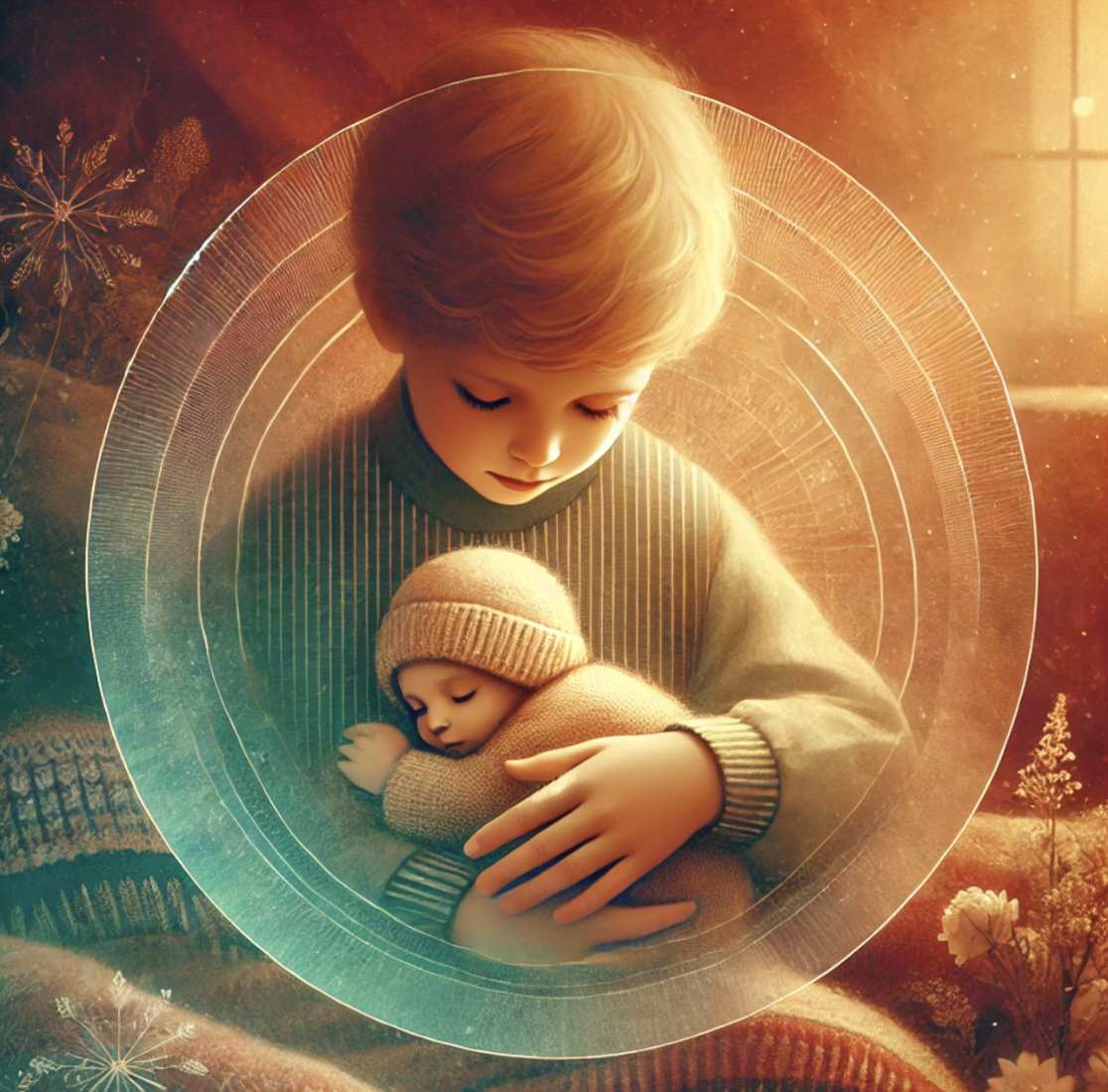
If you’ve ever asked, “what is the inner child?” or searched for an inner child definition, the simplest answer is this:
The inner child is the emotional memory of your childhood that still lives inside your nervous system and psyche.
It is not a fantasy concept. It is not mystical. It is a psychological shorthand for the part of you shaped by early attachment, early experiences, and early survival strategies.
When people ask “what does inner child mean?” they are really asking: Why do I still react like I’m younger than I am?
The inner child explains that.
Your inner child carries the beliefs you formed about love, safety, worth, and belonging. It influences how you attach, how you argue, how you celebrate, how you fear rejection, and how you experience joy.
It shows up when you feel overly sensitive. It shows up when you light up with excitement. It shows up when you shut down to protect yourself.
Inner Child Meaning in Psychology
In modern inner child psychology, the concept refers to the stored emotional states and developmental imprints formed during childhood.
These imprints are not just memories. They are encoded in the nervous system.
Attachment research, trauma science, and developmental psychology all support the idea that early relational experiences shape adult emotional patterns.
That shaping process is what the term “inner child” describes.
This is why the inner child is often connected to emotional triggers. When something feels disproportionately painful, it is often not your present-day self reacting. It is a younger emotional layer that once learned to survive that way.
Where Did the Inner Child Concept Come From?
The concept did not appear out of nowhere. It evolved through multiple psychological traditions.
Carl Jung and the Divine Child
If you search carl jung inner child, you’ll encounter Jung’s “Divine Child” archetype. Jung viewed the child as a symbol of potential, renewal, and psychological integration. The child archetype represented both vulnerability and transformation.
Eric Berne and the Child Ego State
In Transactional Analysis, Berne described the child ego state as one of three parts of the personality: Parent, Adult, and Child. The Child state contains emotional memory and early learned responses, both joyful and painful.
John Bradshaw and Popularization
If you’ve seen the phrase john bradshaw on healing from childhood trauma, you’ve seen how the concept entered mainstream awareness. Bradshaw emphasized that many adult struggles are rooted in unresolved childhood wounds.
Modern inner child therapy integrates attachment theory, trauma research, somatic psychology, and parts-based therapy.
The Different Expressions of the Inner Child
The Wounded Child
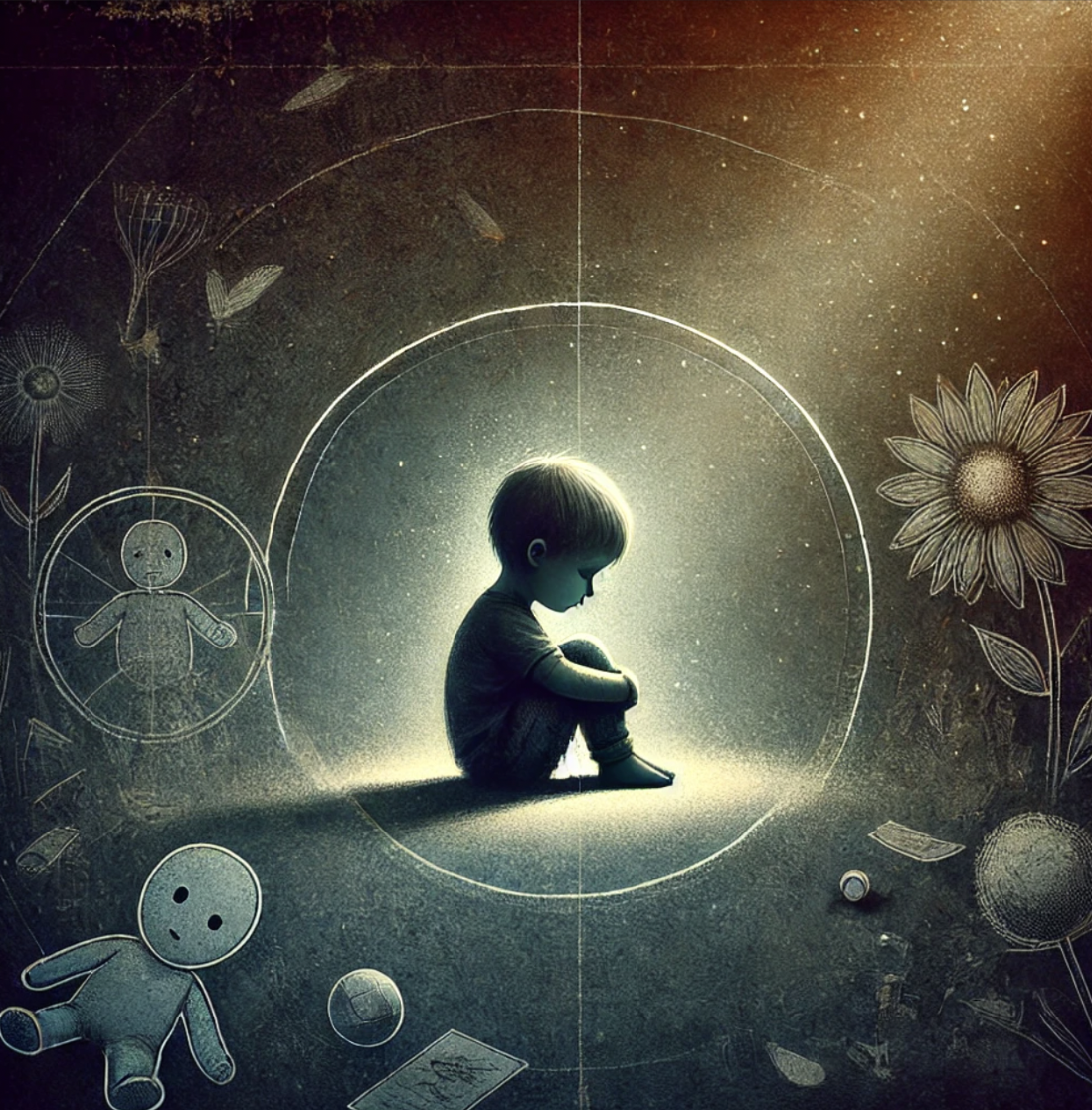
The wounded child carries unresolved pain, shame, fear, or neglect. This is often what people mean when they refer to a wounded child.
The Free / Playful Child

This part holds spontaneity, creativity, curiosity, and joy.
The Adaptive Child
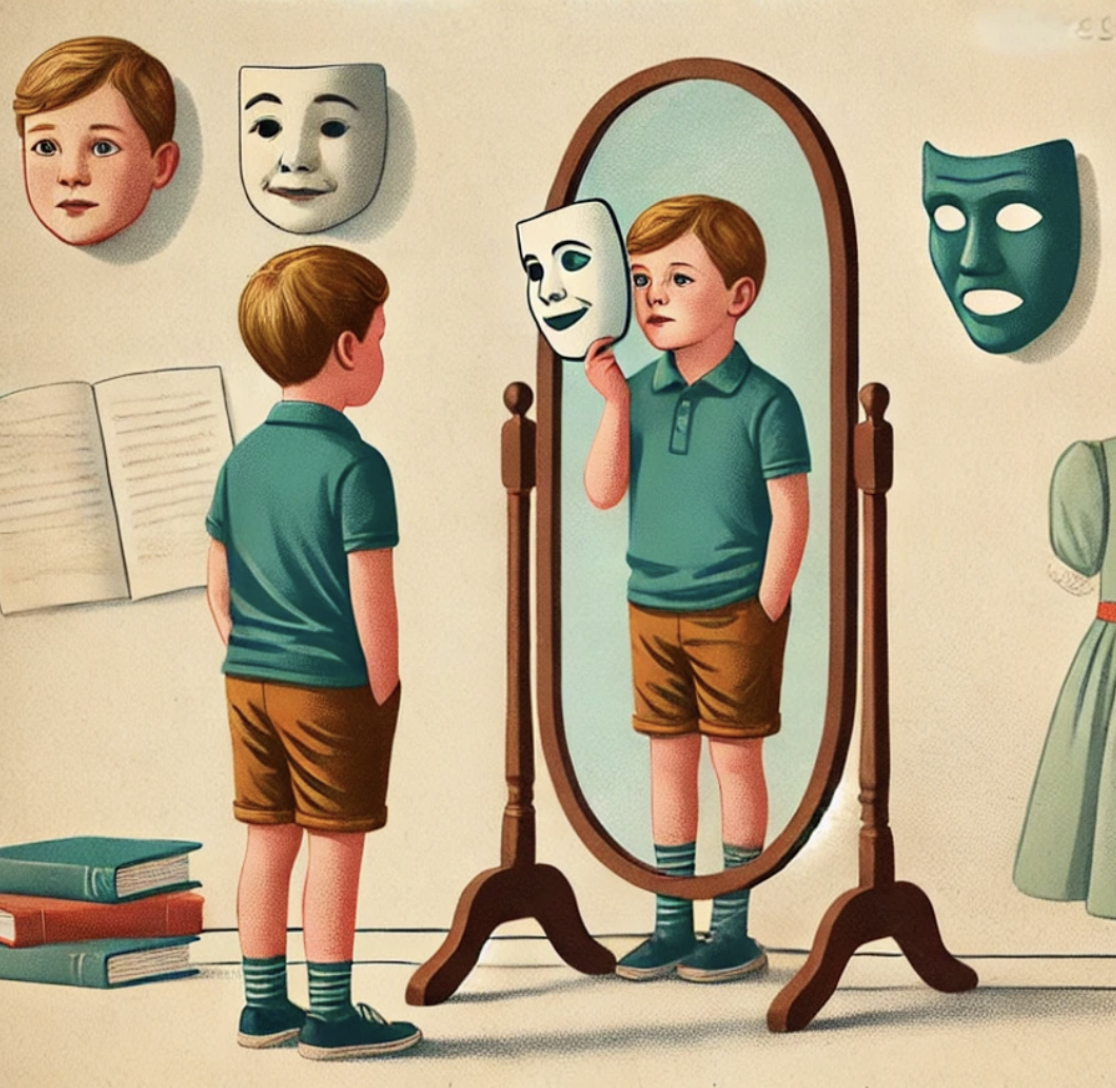
The adaptive child developed coping strategies to survive early environments, including perfectionism, people-pleasing, or emotional suppression.
The Vulnerable Child
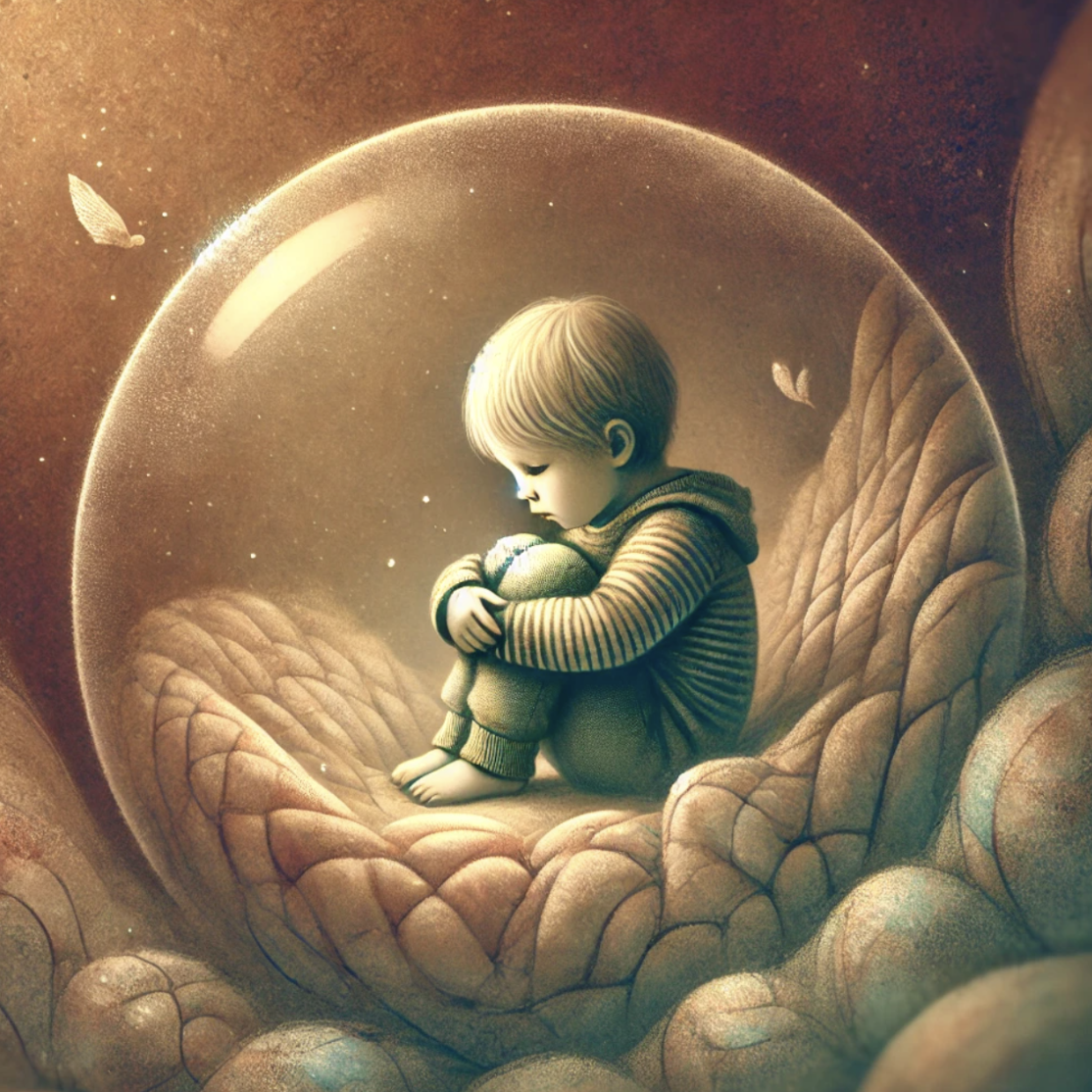
Represents deep sensitivity, fear of rejection, and longing for reassurance.
The Rebellious Child

Pushes back against control or authority, especially when autonomy once felt threatened.
The Magical / Curious Child
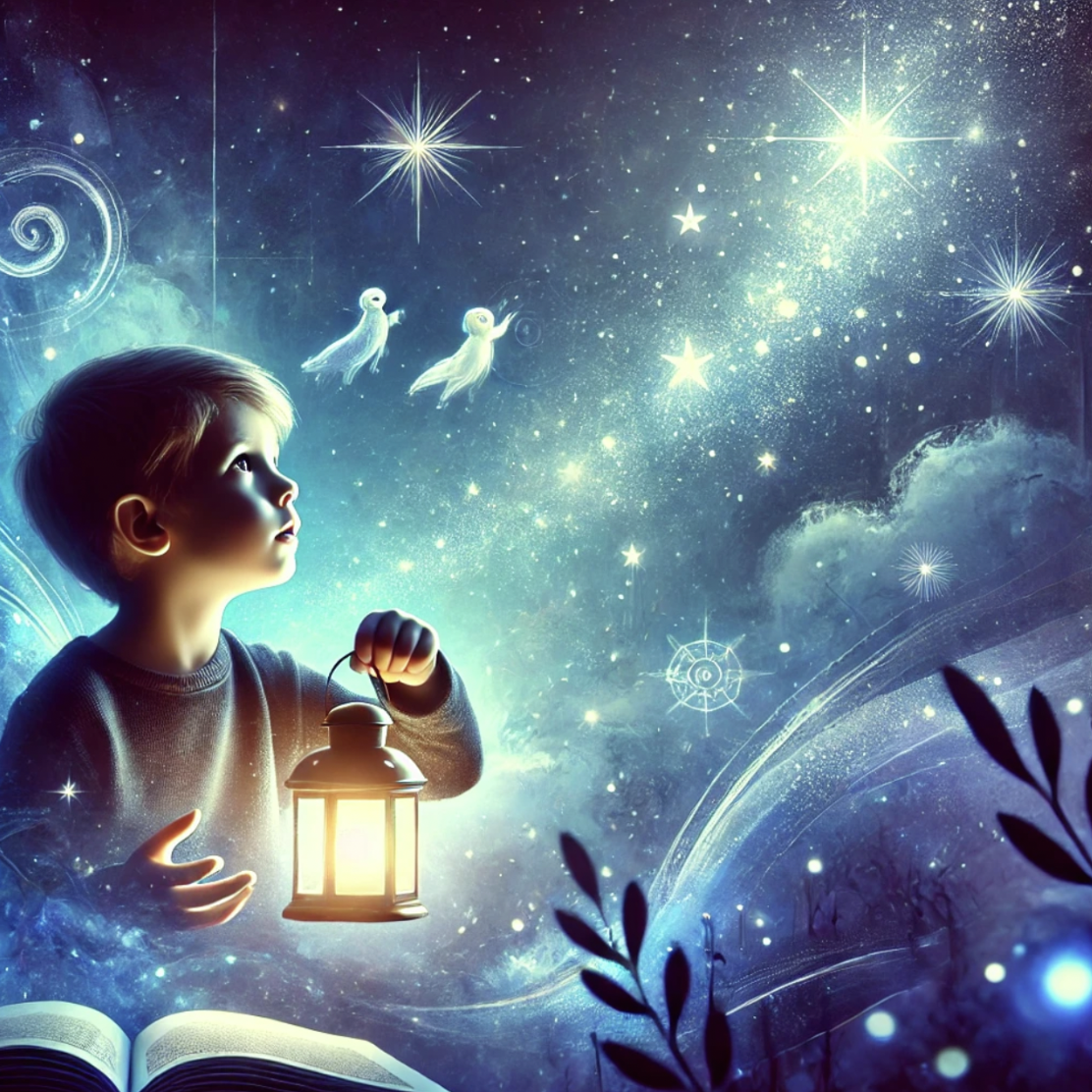
Embodies imagination, possibility, and wonder.
The Lonely Child
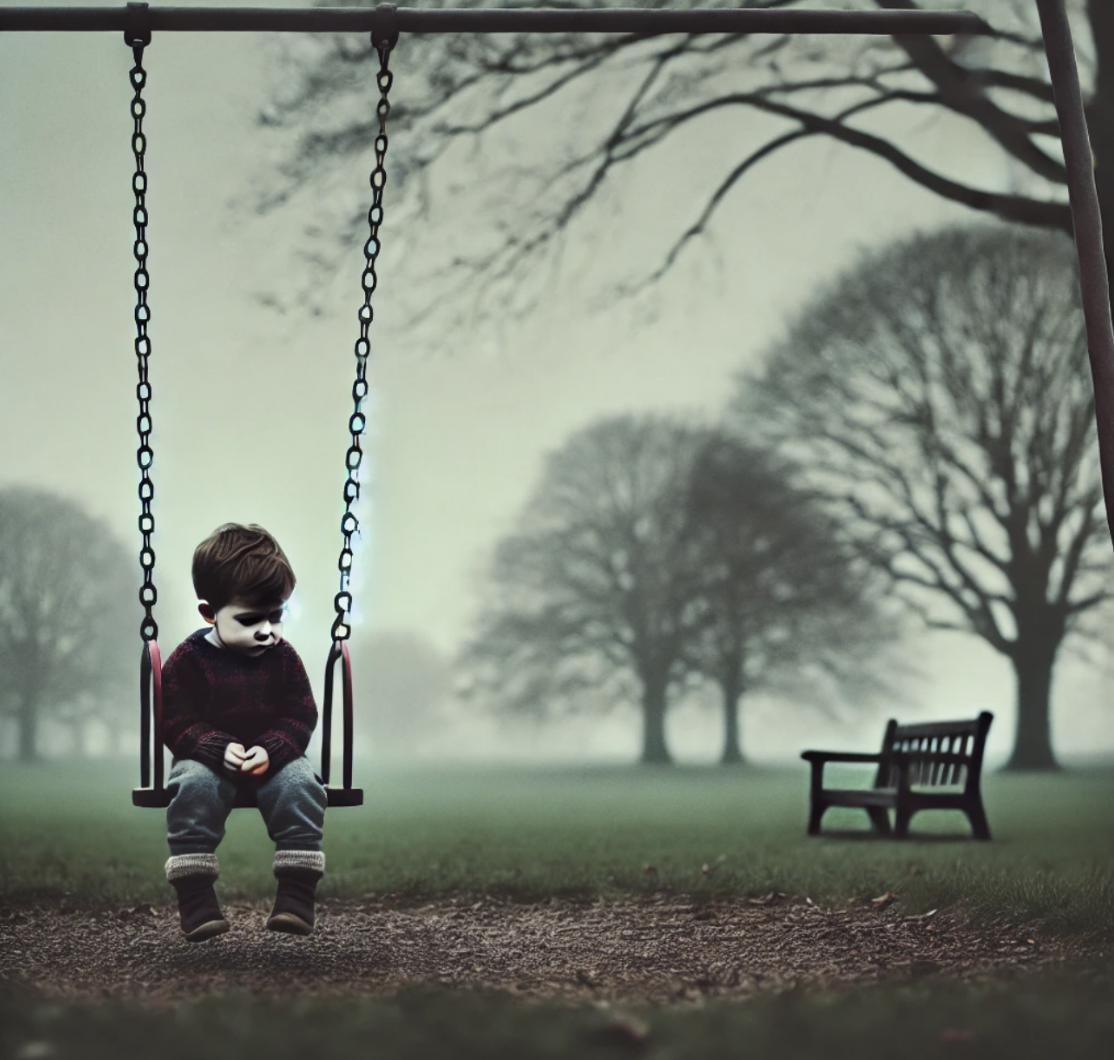
Holds experiences of isolation or emotional neglect.
The Carefree Child

Feels light, unburdened, and at ease.
The Protector Child
Developed defensive strategies to prevent emotional harm.
The Nurturing Child
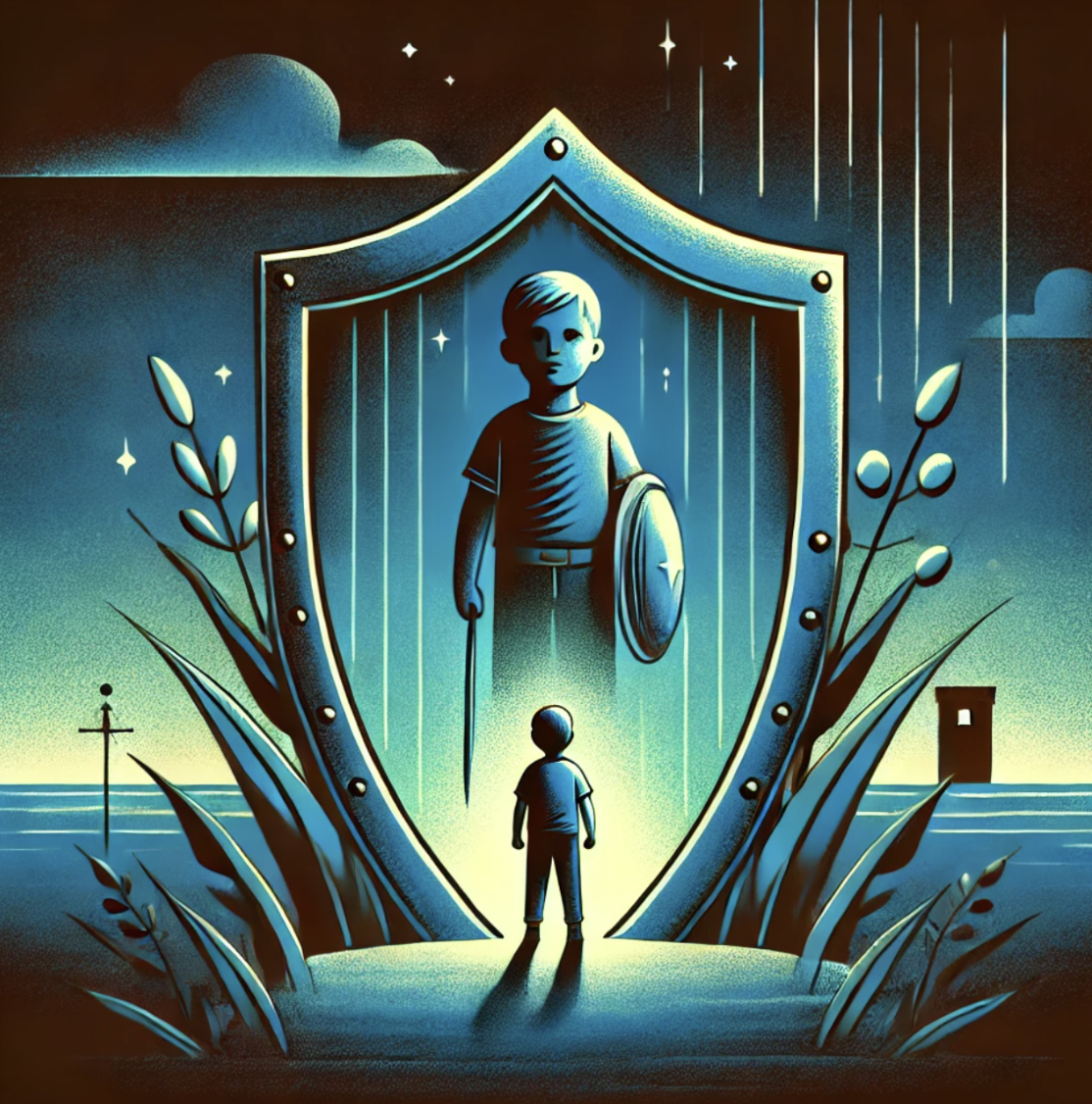
Holds empathy, warmth, and instinctive care.
Inner Child Therapy: Why the Concept Matters Clinically
Inner child therapy does not assume adults are childish. It recognizes that unresolved developmental experiences continue influencing behavior.
Research in attachment theory, trauma science, and neurobiology shows that early relational environments shape stress responses, emotional regulation, and self-concept.
The inner child framework provides language for that reality.
Why Understanding the Inner Child Changes Everything
Understanding the inner child shifts the narrative from:
“What’s wrong with me?”
to:
“What did I learn to survive?”
When you recognize that emotional reactions are often younger survival patterns, you gain clarity instead of shame. That clarity opens the door to integration, emotional maturity, and self-compassion.
The inner child is not something to eliminate. It is something to understand.
