
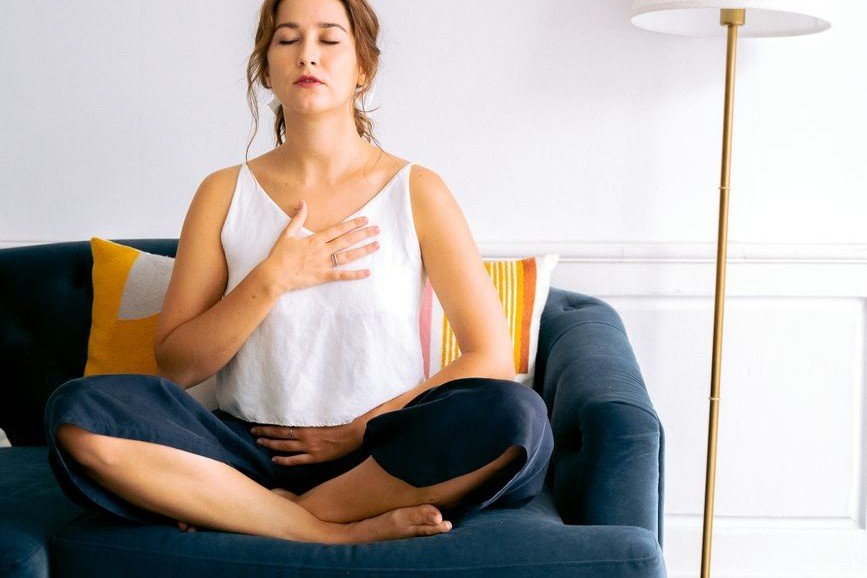
Somatic Techniques for Regulation 10 Body-Based Practices to Help Calm Anxiety
When anxiety starts rising, it can feel like your thoughts are the whole problem. Your mind gets loud, fast, repetitive, and convincing. But in many cases, the body is already involved before the thoughts fully take over. Your chest tightens. Your jaw hardens. Your breathing gets shallow. Your eyes narrow. Your stomach flips. Your muscles prepare. Your system starts acting as if something is wrong, even if part of you knows you are technically safe. This is what a dysregulated nervous system looks like in real time.
That is why body-based tools can be so useful. They give you another way in. Instead of arguing with every thought or trying to force yourself to calm down, they work through sensation, breath, movement, pressure, sound, and orientation. They help your nervous system register something different in real time.
These practices are not about doing them perfectly. They are not about becoming a regulation robot with ideal posture and zero emotional inconvenience. They are options you can reach for when anxiety is building, when you feel scattered, when you feel trapped in your head, or when your body is holding more than your mind knows how to explain.
If you feel panicky
Start with breath, cold water, or sound. These can help interrupt fast escalation and give your system something immediate to respond to.
If you feel floaty or unreal
Start with orienting, weighted grounding, or wall pushing. These help bring more contact, more structure, and a clearer sense of your body in space.
If you feel tense but functional
Start with jaw release, ear massage, or butterfly tapping. These are useful when you are holding it together on the outside while your body is quietly bracing underneath.
The Physiological Sigh
This is one of the simplest somatic exercises for anxiety when the experience feels immediate and physical. It can help when your chest feels tight, your breathing feels stuck high in the body, or you notice that sharp surge of activation that makes everything suddenly feel more urgent.
How to Do It
- Let yourself sit, stand, or lean somewhere you feel supported enough.
- Take one full inhale through your nose.
- Before you exhale, add one smaller inhale at the top.
- Then exhale slowly through your mouth.
- Repeat two to five times, staying steady rather than rushed.
Why It Can Help
Anxiety often changes the way you breathe before you even fully notice it. Breathing can become shallow, quick, and locked high in the chest, which sends even more alarm signals through the body.
This breathing pattern can help interrupt that loop. The second inhale helps expand the lungs more fully, and the longer exhale gives the system a cue that it can begin coming down instead of climbing higher.
What You Might Notice
Your shoulders drop a little. Your chest loosens. You feel less trapped in the inhale. Sometimes the shift is subtle. Sometimes it feels like your body finally got the message that it does not need to keep bracing quite so hard.
Ear and Jaw Release
Anxiety does not just live in the chest. A lot of people hold it in the jaw, face, throat, and around the ears without realizing it. This practice helps interrupt that hidden bracing pattern and gives the body a chance to soften in places that often stay tense all day.
How to Do It
- Use clean hands and slowly massage the outer edges of your ears.
- Rub the earlobes between your fingers.
- Trace small circles around the outer bowl of the ear without pressing hard.
- Move to the jaw hinge near the ears and massage in slow circles.
- Let your mouth unclench and notice whether a sigh, swallow, or yawn happens on its own.
Why It Can Help
The jaw, face, and outer ear are often involved when your body is bracing. When stress builds, many people tighten here without realizing it.
Bringing slow, intentional touch to these areas can help interrupt that tension pattern and support the body in settling. If you tend to clench your jaw or hold stress in your face, this can sometimes bring fairly quick relief.
What You Might Notice
You realize how hard you have been clenching. Your teeth stop pressing together. Your face feels less armored. Sometimes this one lands emotionally too, because the body often stores holding it together in the jaw long before the mind admits anything is wrong.
Orienting to the Room
When anxiety is high, attention narrows. The world can start to feel smaller, sharper, and more threatening. Orienting helps widen perception again so your body can take in more than the alarm.
How to Do It
- Keep your eyes open and let them move around the room naturally.
- Notice five things you can see without rushing to label them.
- Turn your head slowly to the left and pause.
- Turn your head slowly to the right and pause.
- Take in colors, light, texture, shape, and distance.
Why It Can Help
Anxiety tends to create tunnel vision. Your body starts looking for threat, and once that happens, everything inside can organize around urgency.
Orienting gives your nervous system actual sensory information that the environment is bigger than the fear response. Instead of staying locked on the internal alarm, the body gets to look, check, and realize there is more here than danger.
What You Might Notice
Your breathing slows a little without trying. The room starts to feel more real. Your thoughts may still be there, but they stop feeling like the only thing happening. That shift matters more than people realize.
Supported Eye Gaze Reset
This practice can be surprisingly effective when your body feels revved up and you cannot seem to come down from stress. Slow eye positioning works with the connection between vision, neck tension, and the nervous system.
How to Do It
- Sit comfortably and keep your head facing forward.
- Without moving your head, let your eyes look slowly to the right.
- Hold there for 20 to 45 seconds, only as long as it feels manageable.
- Return to center and pause.
- Repeat on the left side, stopping if you feel strain, dizziness, or more activation.
Why It Can Help
The eyes and nervous system are deeply linked. When you are stressed, the eyes often become fixed and effortful without you noticing. The body stays organized around alertness.
Slow, supported changes in gaze can help interrupt that pattern. The goal is not to push through discomfort. The goal is to let the system discover that it can shift out of locked focus and still be okay.
What You Might Notice
You yawn, swallow, sigh, or feel your neck soften. Some people notice more space behind the eyes. Others feel tired in a relieving way, like the system is finally stepping out of overdrive.
Weighted Grounding
Some anxiety feels buzzy and fast. Some feels floaty, unreal, or hard to locate in the body. Weighted grounding can help when you need more contact, more containment, and a clearer sense of where you are.
How to Do It
- Place a folded blanket, weighted pillow, or other comfortable heavy object across your lap or chest.
- Let your hands rest on top for more contact.
- Notice the pressure rather than trying to make anything happen.
- Feel where your body meets the chair, bed, or floor.
- Stay for one to five minutes, breathing normally.
Why It Can Help
Deep, steady pressure increases the kind of sensory input that helps the brain map where your body is. When anxiety comes with a sense of being scattered, detached, or uncontained, that extra input can be stabilizing.
It does not need to be dramatic. Often the shift comes from the simple experience of feeling supported, held, and more physically here.
What You Might Notice
Your mind stops jumping quite as fast. Your body feels less like it is hovering above itself. You may notice a small drop into the chair or bed, which is often a sign that your system is starting to settle.
Butterfly Tapping
This is a simple bilateral stimulation practice that many people find soothing when they are overwhelmed, spiraling, or trying to come back into the present without shutting down.
How to Do It
- Cross your arms over your chest so each hand rests on the opposite shoulder or upper arm.
- Begin tapping left, right, left, right in a slow and steady rhythm.
- Keep the touch light and consistent.
- Breathe naturally as you continue for 30 seconds to 2 minutes.
- Pause and notice whether anything inside feels even slightly different.
Why It Can Help
Alternating left and right stimulation can help organize overwhelming experience and support integration. It adds rhythm, contact, and containment, which are often exactly what an anxious system is missing.
It is especially useful when you need comfort without intensity. It helps the body feel held without having to explain everything first.
What You Might Notice
Your breathing evens out. Your thoughts lose some of their sharpness. You feel more gathered, less scattered. Sometimes it brings up emotion. Sometimes it simply helps you feel more here, which is enough.
Cold Water Reset
This can help when anxiety is escalating quickly and you need a strong sensory interruption. Not everything needs to be dramatic, but sometimes the nervous system does benefit from a clear shift in input.
How to Do It
- Splash cool or cold water on your face.
- Or place a cool compress across your cheeks and around the eyes.
- Pause and really feel the temperature change.
- Take one or two long exhales while the coolness is there.
- Stop if it feels too intense or jolting.
Why It Can Help
Cold sensation around the face can create a strong pattern interrupt for the nervous system. It helps pull attention out of spiraling thoughts and back into the present through direct physical sensation.
Used well, it can give the body a brief reset. Used poorly, it just becomes another way to bully yourself for being anxious. So keep it simple.
What You Might Notice
The panic wave stops climbing so fast. Your thoughts do not disappear, but the intensity drops enough for you to regain a little choice. That small bit of space can change everything in the moment.
Wall Push for Discharge
Anxiety often mobilizes the body for action. Sometimes what feels like too much anxiety is partly unfinished activation. This practice gives some of that energy somewhere to go.
How to Do It
- Stand facing a wall with your feet planted firmly.
- Place both palms on the wall at chest height.
- Push steadily, as if you are trying to move the wall, for 10 to 20 seconds.
- Slowly release the effort instead of dropping it all at once.
- Pause and notice sensations in your arms, legs, jaw, and chest.
Why It Can Help
Stress prepares the body to fight, flee, or brace. When that activation has nowhere to go, it often turns inward and gets experienced as agitation, shaking, restlessness, or overwhelm.
Pushing gives the body a safe, contained way to complete some of that mobilization. It can help move you from feeling trapped in activation to feeling like the energy has somewhere to land.
What You Might Notice
Your arms tingle. Your body feels heavier afterward. You might realize how much go energy was building under the anxiety. For some people, the relief comes right away. For others, it comes after the body finishes waking up to what it was holding.
The Voo Sound
Sound can be deeply regulating because it combines breath, vibration, and expression. This one is especially useful when anxiety feels stuck in the chest, throat, or diaphragm.
How to Do It
- Take an easy inhale through the nose.
- Exhale with a low, long vooo sound.
- Let the sound vibrate through the chest, throat, or belly.
- Keep the sound low and steady rather than loud.
- Repeat three to five times, resting between rounds if needed.
Why It Can Help
Low vocalization lengthens the exhale and creates vibration through the body. That combination can help shift the nervous system away from alarm and toward a more settled rhythm.
It also gives expression to the body without needing language. That matters, because sometimes the body is holding more than words can reach in the moment.
What You Might Notice
Your throat opens. Your chest softens. You feel more inside your body and less caught in your head. Sometimes this one helps tears move. Sometimes it just helps the body stop gripping so hard.
Jaw, Tongue, and Mouth Softening
A lot of people move through the day with hidden effort in the mouth, tongue, and jaw. That effort keeps the whole system more guarded. Softening here can create more change than most people expect.
How to Do It
- Let your lips part slightly.
- Relax your tongue away from the roof of the mouth.
- Unclench the back teeth.
- Exhale slowly as if fogging up a mirror.
- Repeat several times and notice whether the throat, face, and shoulders begin to soften too.
Why It Can Help
Jaw tension is one of the most common ways stress gets stored in the body. When these muscles stay tight, the whole system often stays more defensive and effortful.
Releasing the mouth and jaw sends a bottom-up signal that the body does not need to stay in full protective mode. That can create a subtle but meaningful shift in the whole nervous system.
What You Might Notice
Your face feels less locked. Your breathing becomes easier. You notice how often you have been holding yourself together physically. Sometimes the biggest shift is simply realizing how much tension had become normal.
Download the printable version
Grab the PDF of Somatic Exercises for Anxiety so you can keep it nearby when you need it.
Get the PDFFrequently Asked Questions
What are somatic exercises for anxiety?
Somatic exercises for anxiety are body-based techniques, like shaking, grounding, breathwork, and gentle movement, that help discharge stress hormones and calm an overactive nervous system, rather than relying on thought alone.
How quickly do somatic exercises reduce anxiety?
Many people feel some relief within minutes, since somatic techniques work directly with the body’s stress response. Consistent daily practice over several weeks tends to produce more lasting change in baseline anxiety.
Can somatic exercises replace anxiety medication?
Somatic exercises can be a powerful complement to treatment, but they shouldn’t replace prescribed medication without guidance from your prescribing doctor. Many people use both together.
What’s the easiest somatic exercise to start with?
Slow, extended exhale breathing (inhaling for 4 counts, exhaling for 6-8) is one of the simplest and most accessible somatic tools, and it can be done anywhere, anytime, without any equipment.
Do somatic exercises for anxiety actually work?
Preliminary research and widespread practitioner reports support somatic exercises for reducing anxiety symptoms by directly engaging the nervous system’s physical stress response, though they work best as part of a broader toolkit that may include therapy, especially for more severe or persistent anxiety.
Related resources
10 Unique Breathing Exercises for Anxiety You’ve Probably Never Tried
Intuition vs Anxiety: Trusting Your Inner Knowing

Grounding Techniques for Anxiety
What Is Somatic Yoga? A Nervous System-Guided Way to Move

Neuro-Somatic Educator • Founder, Conscious Cues
Jordan Buchan is the founder of Conscious Cues and a Neuro-Somatic Educator whose work focuses on the process of turning insight into lived experience. She helps people move beyond simply understanding themselves and into embodying real change so what they know begins to shape how they feel, respond, and live.

Psychologist • Certified Kundalini Yoga Instructor
Manuel Alejandro Patiño is a psychologist and certified Kundalini yoga instructor who works where clinical psychology, somatic practice and contemplative tradition meet. He is a certified practitioner of heart-rate variability biofeedback and pulse analysis. He reviews Conscious Cues resources for clinical accuracy.