
Explore the Resource Center
Browse our full library of free worksheets, meditation scripts, and PDF guides. Visit the Resource Center →
Your Nervous System Explained:
autonomic nervous system, parasympathetic nervous system, and sympathetic nervous system
In this guide, we will explore the captivating complexities of this remarkable system, unraveling its secrets and unveiling its indispensable role in regulating your body’s functions and shaping your experiences.
What Is the Nervous System?
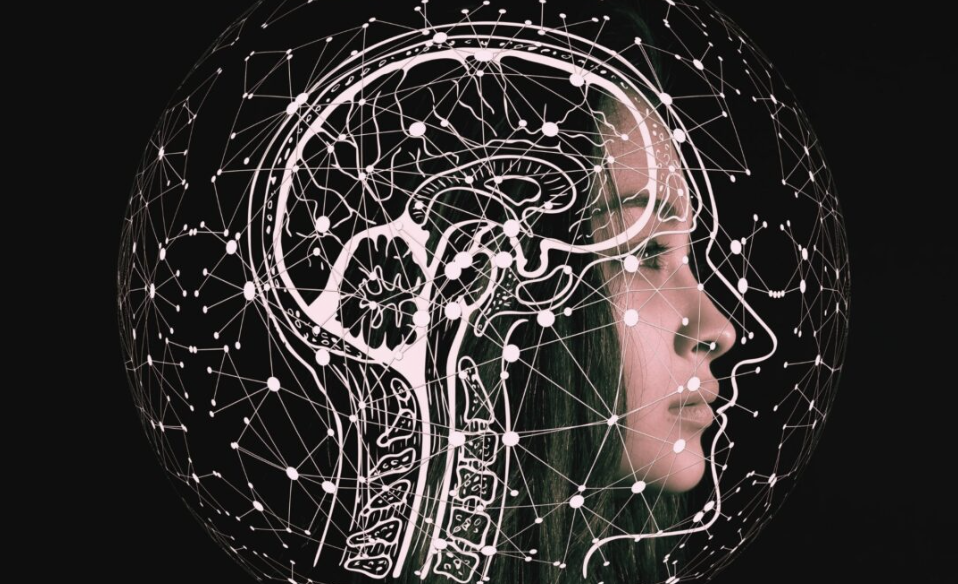
The nervous system is like a vast communication network that connects every corner of your body, from your brain to your fingertips and toes. It is responsible for transmitting signals, coordinating movements, processing information, and even influencing your thoughts and emotions. Without this incredible system, you wouldn’t be able to move, feel sensations, or engage in conscious thinking.
At the core of a nervous system lies the brain, the control center that receives, processes, stores, and sends information to different parts of your body. It’s a hive of activity, where electrical impulses zip along intricate pathways, enabling you to reason, think, remember, and make sense of the world around you.
Connected to the brain is the spinal cord, a long and sturdy bundle of nerve fibers. This vital link carries messages between the brain and the rest of your body. Within its protective confines, motor neurons send signals from your brain to your muscles, allowing you to move, while sensory neurons transmit valuable information from your body back up to the brain, providing feedback about the world you inhabit.
But the nervous system doesn’t stop there. It extends even further, branching out into a network of nerves that crisscross your body, creating an interconnected web of communication. These nerves serve as conduits, facilitating the transmission of signals to and from the brain. They allow your muscles to flex and contract, your organs to function, and enable the exchange of information between different parts of your body. They also play a crucial role in sensing the world around you and detecting sensations like heat, cold, pressure, and pain.
The nervous system is a multitasking marvel, responsible for a wide range of bodily activities. It is the driving force behind your ability to think, move, and experience sensations. It regulates essential functions such as breathing, digestion, and heart rate, ensuring the harmonious functioning of your body. Moreover, it equips you with the capacity to respond to external stimuli, allowing you to see, hear, and react to the world unfolding before you.
Parts of the Nervous System
The nervous system is divided into two primary components: the central nervous system (CNS) and the peripheral nervous system (PNS).
Central Nervous System (CNS): The CNS comprises the brain and spinal cord, and it serves as the core processing center for information. It not only receives and sends signals but also processes and interprets the information.
Peripheral Nervous System (PNS): The PNS includes all nerves outside the CNS and serves as a communication channel between the CNS and the body’s periphery.
The PNS can be further divided into two systems:
Somatic Nervous System (SNS)
The somatic nervous system is responsible for voluntary actions and sensory perception. It controls the skeletal muscles involved in conscious movements and carries sensory information from the body’s sensory organs to the CNS. For example, when you decide to kick a ball, the somatic nervous system sends signals from your brain to the muscles in your leg to execute the movement.
Autonomic Nervous System (ANS)
The autonomic nervous system regulates involuntary functions necessary for survival, such as heartbeat, breathing, digestion, and glandular secretions. It operates largely outside conscious control and can be further divided into two branches:
Sympathetic Nervous System (SNS)
The sympathetic nervous system mobilizes the body’s “fight or flight” response during times of stress or danger. It triggers physiological changes to prepare the body for action, such as increasing heart rate, dilating pupils, and releasing stress hormones like adrenaline.
Parasympathetic Nervous System (PSNS)
The parasympathetic nervous system, often referred to as the “rest and digest” system, counterbalances the sympathetic nervous system by promoting relaxation and restoration. It conserves energy, slows down heart rate, stimulates digestion, and facilitates processes that promote rest and recovery.
Nervous System Diagram
Components of the Nervous System
The Brain – Control Center: The most complex organ in your body, it is the command center of the nervous system. It consists of billions of interconnected neurons that work together to process information and coordinate various bodily functions. The brain can be divided into different regions, each responsible for specific functions such as perception, movement, memory, language, and emotions. Through intricate neural networks, the brain receives sensory inputs, integrates information, and sends out signals to different parts of the body, allowing you to perceive, interpret, and respond to the world around you.
The Spinal Cord – the Information Highway: The spinal cord, a long, cylindrical bundle of nerve fibers, extends from the base of the brain down through the spinal column. It serves as a vital link between your brain and the rest of your body. The spinal cord consists of both gray matter, which contains neuronal cell bodies, and white matter, which comprises myelinated nerve fibers. It acts as a conduit for transmitting signals between the brain and peripheral nerves, enabling the coordination of movement, reflexes, and sensory information. Additionally, the spinal cord plays a crucial role in relaying messages to and from the brain, allowing for voluntary and involuntary actions.
The Nerves – Messengers of Information: Nerves are the pathways that carry signals to and from the central nervous system (CNS). They consist of bundles of nerve fibers, or axons, surrounded by protective connective tissue. Nerves are categorized into two types: sensory nerves and motor nerves.
Sensory Nerves: These nerves transmit sensory information from the body’s tissues and sensory organs (such as the skin, muscles, and organs) to the CNS. They detect various stimuli, including touch, temperature, pain, pressure, and vibration, and convert them into electrical signals that can be interpreted by the brain. This allows you to perceive and respond to the world around you.
Motor Nerves: These nerves carry signals from the CNS to the muscles, glands, and organs, enabling voluntary and involuntary movements. Motor nerves control muscle contractions, allowing you to perform actions such as walking, talking, and grasping objects. They also regulate involuntary processes like heart rate, digestion, and hormone secretion.
The Function of the Nervous System
The nervous system carries out a multitude of vital functions, enabling your body to operate harmoniously. Let’s explore some of its key functions of the nervous system:
- Sensory Processing: The nervous system receives sensory information from the environment through sensory organs, such as the eyes, ears, nose, tongue, and skin. It processes this information, allowing you to perceive and interpret sensations like sight, sound, smell, taste, touch, temperature, and pain.
- Motor Control: The nervous system coordinates voluntary and involuntary movements. Through the activation of motor neurons, it sends signals from the CNS to the muscles, enabling precise and coordinated movement. Whether it’s performing complex physical tasks or simple actions like walking or writing, the nervous system plays a pivotal role in executing these movements.
- Regulation of Internal Processes: The nervous system regulates essential internal processes necessary for your body’s survival. It controls vital functions such as breathing, heart rate, blood pressure, digestion, hormone secretion, and body temperature. These autonomic nervous system functions occur without conscious effort, ensuring the maintenance of homeostasis.
- Cognitive Functions: The nervous system is the seat of cognition, responsible for higher mental processes such as thinking, reasoning, memory formation, problem-solving, language processing, and emotional responses. These functions rely on the interconnected neural networks within the brain, enabling complex cognitive abilities unique to humans.
What Happens When the Nervous System Malfunctions?
When the nervous system experiences dysfunction or damage, it can lead to various neurological disorders of the nervous system and conditions. These conditions can manifest in different ways, such as sensory impairments, motor deficits, cognitive impairments, or disruptions in autonomic nervous system functions.
Some common neurological conditions include:
- Stroke: Occurs when the blood supply to the brain is interrupted, leading to brain cell damage and potentially permanent disability.
- Alzheimer’s Disease: A progressive neurodegenerative disorder that affects memory, thinking, and behavior.
- Nervous System Dysregulation: This condition disrupts the natural harmony between the brain and body, causing symptoms such as anxiety, depression, mood swings, chronic stress, and physical discomfort.
- Parkinson’s Disease: A degenerative disorder characterized by motor symptoms such as tremors, rigidity, and impaired movement control.
- Multiple Sclerosis: An autoimmune disease that damages the protective covering of nerve fibers, leading to communication disruptions between the CNS and the rest of the body.
- Epilepsy: A neurological disorder characterized by recurrent seizures resulting from abnormal electrical activity in the brain.
- Peripheral Neuropathy: Damage to the peripheral nervous system that can cause numbness, tingling, muscle weakness, and pain.
- Spinal Cord Injury: Damage to the spinal cord that often leads to loss of sensory and motor functions below the level of injury.
Taking care of your nervous system health
Maintaining a healthy nervous system is essential for optimal physical and emotional well-being. Here are practical tips for how to regulate nervous system activity and support long-term health:
- Deep breathing and mindfulness: Slow, conscious breathing activates the parasympathetic nervous system, helping you relax and lower stress levels.
- Physical movement: Regular exercise stimulates the release of endorphins and improves blood flow to the brain, supporting both the central nervous system and peripheral nervous system.
- Sleep hygiene: Quality sleep restores and resets the nervous system. Create a calm bedtime routine and aim for consistent sleep patterns.
- Nutrient-rich diet: Foods rich in omega-3s, B vitamins, magnesium, and antioxidants help protect nervous system organs and enhance nervous system function.
- Body-based therapies: Techniques like massage, grounding exervcises, somatic experiencing, and vagus nerve stimulation regulate the autonomic nervous system and reduce chronic tension.
- Connection and laughter: Positive social interaction and joyful activities help soothe the sympathetic nervous system and promote emotional resilience.
- Time in nature: Nature exposure has been shown to reduce cortisol levels and enhance nervous system balance.
- Digital detox: Regular breaks from screens give your brain time to rest and reduce overstimulation of the nervous system.
Even small daily actions can support your body’s ability to return to balance. These practices help keep your sympathetic and parasympathetic nervous system in healthy harmony.
Fun Facts About the Nervous System:
- Nerve impulses can travel over 250 mph.
- Your brain has about 86 billion neurons.
- The nervous system function can be affected by your gut health.
- The spine has 31 pairs of nerves branching off it.
- The brain and nervous system are mostly made of fat.
- Your brain uses around 20% of your body’s oxygen, even though it only accounts for about 2% of your total weight.
- The central nervous system can generate electricity, enough to power a small lightbulb.
- Neurons communicate through synapses, and your brain forms new ones every time you learn something.
- The longest neuron in the human nervous system runs from your lower back to your toes, it can be over 3 feet long!
- You have more nerve cells in your gut than in your spinal cord, this is why the gut is often called the “second brain.”
- Babies are born with more neurons than adults, but many are trimmed away as the brain strengthens the most-used pathways (a process called pruning).
- The autonomic nervous system works 24/7, even when you’re asleep.
- Laughing can boost endorphins and activate the parasympathetic nervous system, helping reduce stress.
Key Points:
- The nervous system is your body’s communication network, connecting the brain to every part of the body.
- It enables movement, sensation, thought, and emotional regulation.
- The central nervous system (CNS) includes the brain and spinal cord.
- The peripheral nervous system (PNS) includes all nerves outside the CNS.
- The somatic nervous system controls voluntary movements and sensory input.
- The autonomic nervous system (ANS) manages involuntary functions like breathing, digestion, and heart rate.
- The autonomic nervous system is divided into:
- The sympathetic nervous system (“fight or flight”) , activates the body in response to stress.
- The parasympathetic nervous system (“rest and digest”) , calms and restores the body after stress.
- The nervous system function includes sensory processing, motor control, regulation of internal processes, and cognition.
- Damage or dysfunction in the nervous system can result in conditions like stroke, epilepsy, Parkinson’s, or nervous system disorders.
- You can support nervous system health with: Deep breathing and mindfulness, Regular exercise, Quality sleep, A nutrient-rich diet, Body-based therapies like vagus nerve stimulation, Laughter, nature, and digital detox.
- The sympathetic and parasympathetic nervous system must work in balance for optimal well-being.
Neuroplasticity: How the Nervous System Changes Over Time
The nervous system is not fixed. It adapts continuously through a process known as neuroplasticity. This refers to the brain and spinal cord’s ability to reorganize neural connections in response to experience, learning, stress, and recovery.
Strengthening Neural Pathways
When neurons fire together repeatedly, synaptic connections between them become more efficient. This process, called long-term potentiation, increases signal transmission strength.
Repeated experiences strengthen neural circuits. This explains how habits form and why chronic stress can reinforce anxiety pathways.
Myelination and Efficiency
Glial cells produce myelin, an insulating sheath that surrounds axons. Increased myelination allows electrical impulses to travel more rapidly and reliably.
The more frequently a pathway is used, the more refined it becomes.
Synaptic Pruning
Connections that are not frequently activated may weaken or be eliminated through pruning. This keeps the nervous system efficient and adaptable.
The Stress Response: What Happens Inside the Body
The stress response is a coordinated biological cascade designed to protect survival. It unfolds within milliseconds.
Threat Detection
The amygdala rapidly evaluates sensory input for danger. If a threat is detected, it signals the hypothalamus.
HPA Axis Activation
The hypothalamus activates the hypothalamic-pituitary-adrenal axis, leading to cortisol release from the adrenal glands.
Sympathetic Nervous System Activation
The sympathetic nervous system increases heart rate, elevates blood pressure, dilates pupils, and redirects blood to muscles.
Hormonal Mobilization
Adrenaline supports immediate action. Cortisol mobilizes glucose for sustained energy.
Short-term activation is adaptive. Chronic activation may contribute to inflammation, sleep disruption, and mood instability.
Neurotransmitters: Chemical Signaling in the Nervous System
Neurons communicate through neurotransmitters, chemical messengers that determine how signals propagate through neural networks.
Major Neurotransmitters
Dopamine
Regulates motivation, reward prediction, and reinforcement learning.
Serotonin
Supports mood stability, appetite regulation, and sleep cycles.
GABA
Primary inhibitory neurotransmitter that reduces neural excitability.
Glutamate
Primary excitatory neurotransmitter essential for learning and memory.
Acetylcholine
Involved in muscle activation and attention processes.
Norepinephrine
Supports alertness and stress response regulation.
The Gut-Brain Axis and the Enteric Nervous System
The enteric nervous system contains hundreds of millions of neurons embedded within the gastrointestinal tract. It communicates continuously with the brain through the vagus nerve.
Bidirectional Communication
Signals travel from the gut to the brain and from the brain to the gut. Emotional stress can alter digestive motility and enzyme secretion.
Serotonin Production
A large percentage of the body’s serotonin is produced in the gastrointestinal tract, highlighting the link between digestion and mood regulation.
The Microbiome
Gut bacteria influence immune signaling and inflammatory pathways that affect brain function.
The Nervous System and Emotional Regulation
Emotions reflect shifts in autonomic nervous system states. They are physiological patterns, not abstract experiences.
Sympathetic Activation
When dominant, individuals may experience anxiety, vigilance, muscle tension, and urgency.
Parasympathetic Activation
Promotes calm, digestion, and social engagement.
Flexibility and Regulation
Healthy nervous system function depends on flexibility. The ability to move between activation and recovery without becoming chronically stuck.
Frequently Asked Questions About the Nervous System
What is the nervous system in simple terms?
The nervous system is the body’s communication network. It sends and receives signals between the brain, spinal cord, and the rest of the body, allowing you to think, move, feel sensations, and regulate internal functions like breathing and digestion.
What does the nervous system do?
The nervous system detects sensory information, processes that information in the brain and spinal cord, and coordinates responses through muscles, glands, and organs. It regulates both voluntary actions and automatic survival functions.
What are the main parts of the nervous system?
The nervous system is divided into the central nervous system, which includes the brain and spinal cord, and the peripheral nervous system, which includes all nerves outside the brain and spinal cord.
What is the difference between the sympathetic and parasympathetic nervous system?
The sympathetic nervous system activates the fight or flight response and prepares the body for action. The parasympathetic nervous system supports rest, digestion, and recovery. Healthy regulation depends on flexibility between the two.
What is the autonomic nervous system?
The autonomic nervous system regulates involuntary functions such as heart rate, breathing, digestion, and hormone release. It includes the sympathetic and parasympathetic branches.
What is the enteric nervous system?
The enteric nervous system is a network of neurons embedded in the gastrointestinal tract. It communicates with the brain through the gut-brain axis and regulates digestion.
Can the nervous system heal itself?
The nervous system can adapt and reorganize through neuroplasticity. While some injuries may cause permanent damage, neural pathways can strengthen, compensate, and adapt over time.
What causes nervous system disorders?
Disorders may result from injury, stroke, infection, autoimmune disease, genetic conditions, neurodegeneration, or chronic stress-related dysregulation.
Common Questions About the Nervous System
What is the nervous system, really?
At its core, the nervous system is your body’s communication network. It is how your brain talks to your organs, your muscles, and your immune system. It is how you interpret danger, feel connection, experience emotion, and regulate stress. It is not abstract. It is the biological foundation of your lived experience.
What does the nervous system actually do every day?
It monitors your environment for safety or threat. It adjusts your heart rate. It regulates digestion. It helps you think, remember, move, and feel. Most of this happens automatically, outside of conscious awareness. Your nervous system is constantly working to maintain balance while adapting to change.
What is the difference between the central and peripheral nervous system?
The central nervous system includes the brain and spinal cord. This is where information is processed and decisions are made. The peripheral nervous system includes all the nerves that extend outward to muscles, organs, and sensory receptors. It carries messages back and forth between the brain and the body.
What is the autonomic nervous system?
The autonomic nervous system regulates automatic survival functions such as breathing, heart rate, blood pressure, and digestion. It operates largely outside conscious control and includes both the sympathetic and parasympathetic branches.
What is the difference between the sympathetic and parasympathetic nervous system?
The sympathetic nervous system prepares you for action. It increases heart rate, sharpens focus, and mobilizes energy. The parasympathetic nervous system supports rest, digestion, and repair. Healthy nervous system function depends on flexibility between these two states rather than being stuck in one.
Why does stress affect my body so strongly?
Stress activates a coordinated biological cascade that shifts your body into survival mode. Hormones are released. Blood flow changes. Muscles tighten. This response is adaptive in short bursts. When stress becomes chronic, the nervous system may remain activated longer than necessary, which can affect sleep, mood, digestion, and immune function.
Can the nervous system change over time?
Yes. Through neuroplasticity, the nervous system can reorganize and form new neural connections. Repeated patterns strengthen specific circuits. This means both stress responses and regulation skills can become more efficient with repetition.
Is nervous system dysregulation permanent?
Not necessarily. Dysregulation reflects patterns of activation that have become reinforced. With consistent support, regulation practices, and safe relational experiences, the nervous system can develop greater flexibility and resilience.
Related reading: if you want to understand what happens when this system gets stuck in overdrive, see our guide on nervous system dysregulation.
Related resources

How to Regulate Your Nervous System

Dysregulated Nervous System Explained: What It Is, Why It Happens, & How to Fix It

Grounding Techniques for Anxiety

10 Somatic Exercises for Anxiety: Body-Based Tools for Stress, Panic, and Overwhelm

Neuro-Somatic Educator • Founder, Conscious Cues
Jordan Buchan is the founder of Conscious Cues and a Neuro-Somatic Educator whose work focuses on the process of turning insight into lived experience. She helps people move beyond simply understanding themselves and into embodying real change so what they know begins to shape how they feel, respond, and live.

Psychologist • Certified Kundalini Yoga Instructor
Manuel Alejandro Patiño is a psychologist and certified Kundalini yoga instructor who works where clinical psychology, somatic practice and contemplative tradition meet. He is a certified practitioner of heart-rate variability biofeedback and pulse analysis. He reviews Conscious Cues resources for clinical accuracy.