Get Free Access

Build Practical Skills For
Real Life Moments.

Thumbnail
×

Tools for when you're overwhelmed
and under-equipped.

Explore 100+ therapist-backed tools designed to help you navigate emotions, relationships, and self-awareness.

Unlock the Full Library
EXPERT-BACKED

Not Random Advice.
Integrated Expertise.

We work with neuroscientists, licensed therapists, and somatic educators to make sure this isn’t just inspiring. It’s effective.

  • Neuroscientists keep us grounded in the biology of how change actually happens.
  • Therapists ensure the work stays safe, ethical, and reality-tested.
  • Somatic Educators turn insight into real results your nervous system can actually feel.
Psychology
Neuroscience
Somatics
Conscious
Cues

Build the Skills Life Keeps Testing

Resource Center

Learn on
Your Own

Clarity. Perspective. Reflection.
  • Make sense of the patterns you keep repeating.
  • Build language for what you’re actually feeling.
  • Interrupt the mental loops that quietly shape your choices.
Get Access
Cue Club

Practice
Together

Embodiment. Capacity. Community.
  • Stay steady in the moment that usually derails you.
  • Practice new responses under pressure.
  • Train your nervous system in real time.
Explore the Club
Interactive Connection Deck

The Depth
of Us

A guided conversation experience for people who want to slow down, feel more, and share more honestly. This is not about performing vulnerability or coming up with the “best” answer. It is about noticing what is true for you and letting that be enough.

01

Create the Container

The quality of the conversation depends on the quality of the space. Before anyone draws a card, take a moment to create a shared agreement around presence, honesty, and care.

  • Add everyone’s names so the game can rotate turns clearly.
  • Choose a share time that fits the group. Two minutes keeps things lighter and more fluid. Four minutes allows for deeper reflection and more room to settle into what is real.
  • Use prompt delay if you want the word to land first. This gives people a few seconds before they can reveal a prompt, so they have a chance to notice their own inner response before being guided outward.
  • Keep the space device-free and interruption-free. No side conversations. No multitasking. No reacting while someone is sharing.
  • Let this be a no-fixing space. No advice, no analysis, no rescuing, no trying to make someone’s experience cleaner or easier than it is.
  • Confidentiality matters. What is shared here stays here unless someone explicitly says otherwise.
  • Passing is allowed. No one is required to answer every word or every prompt. Choice helps create safety.

A safe space does not mean everyone will feel perfectly relaxed. It means people know they do not have to perform, defend, impress, or explain themselves away. It means they can share honestly and trust they will be met with respect.

02

Let the Word Land

When a card is drawn, the word appears first. This part matters. Do not rush past it. The word itself is the doorway.

Before you speak, pause for a moment and notice what happens inside you when you read the word. You are not trying to come up with something profound. You are simply noticing your first real response.

  • Notice your body. Do you feel openness, tightness, warmth, resistance, numbness, tenderness, or nothing at all?
  • Notice your mind. Does a memory come up? A person? A recent conversation? A story you tell yourself?
  • Notice your emotional response. Do you feel curiosity, discomfort, grief, relief, longing, irritation, confusion, or surprise?
  • Notice your impulse. Do you want to share immediately? Shut down? Make a joke? Change the subject? Those reactions are information too.

Sometimes the word hits instantly. Sometimes it feels blank at first. Both are valid.

If nothing obvious comes up, that does not mean you are doing it wrong. You can simply begin with something honest and simple:

  • “At first I do not feel much, but when I stay with it I notice...”
  • “This word makes me think of...”
  • “My first reaction is resistance because...”
  • “I do not know exactly why, but this word makes my chest feel...”
  • “The person I immediately think of is...”

The goal is not to be impressive. The goal is to be real.

03

Share What Is True

Once the word has landed, share whatever feels true for you in that moment.

  • You can share a memory.
  • You can share a feeling.
  • You can share a body sensation.
  • You can share a question you are still sitting with.
  • You can share a contradiction.
  • You can share that you are confused or unsure.
04

Use the Prompts as Support, Not Pressure

If you want more guidance, reveal a prompt. Prompts are there to help deepen the reflection, not to force it.

  • The word always comes first. Start with your own reaction if you can.
  • Prompts are optional. You do not need to use them if the word already opened something real.
  • You do not need to answer every prompt. Choose the one that actually stirs something in you.
  • If none of the prompts fit, ignore them. Your real response matters more than following the structure perfectly.

Think of prompts as gentle support. Not a test. Not homework. Not a demand.

Sometimes a prompt will give language to something you were already feeling but could not name. Sometimes it will open a completely different doorway. Sometimes it will do nothing. That is okay too.

05

Respect the Rhythm of the Turn

Each person has their own turn. The timer is there to create rhythm, not pressure.

  • The timer starts on the first card draw of the turn.
  • You can draw a different card during your turn if the word truly is not the one.
  • You can pause the timer if the group needs a breath or the moment needs a little more space.
  • A soft bell sounds near the end so the speaker can begin to close naturally.
  • When time ends, the next person’s turn begins.
  • If someone does not want to share, skip the turn. The card clears and the next person takes over.

Silence is allowed. In fact, silence is often part of the depth.

If someone finishes speaking before the timer ends, let there be a pause. Do not rush to fill the space. Some of the most meaningful moments happen after the words.

06

Listen Like It Matters

This game is not only about sharing. It is about how we receive each other.

  • Listen without interrupting.
  • Listen without planning what you will say when it is your turn.
  • Listen without comparing their experience to yours.
  • Listen without trying to fix, soothe, teach, correct, or improve what they shared.
  • Let their words land before moving on.

Good listening creates the safety that allows honesty to deepen.

If you are facilitating, remind the group that this is not a debate, not a therapy session, and not a place to give unsolicited advice. It is a space to witness, reflect, and let people be fully human without editing them into something easier to hold.

07

A Few Reminders Before You Begin

  • You do not need to be profound. Honest is enough.
  • You do not need to force vulnerability. Go at the pace that feels real.
  • You do not need to explain yourself perfectly. Unfinished truth still counts.
  • You do not need to share the biggest thing. Sometimes a small truth is the real one.
  • You are allowed to pass.
  • You are allowed to be surprised by your own answer.

This experience works best when people stop trying to do it “well” and start letting themselves actually be in it.

Agreements

  • The Right to Pass: Depth cannot be forced. You always have the right to skip a card or prompt.
  • Confidentiality: Everything shared in this space stays in this space.
  • No Fixing: We listen to understand, not to offer advice or solve each other's experiences.
  • Integration: We allow a moment of silence after a share to let the words land.
03

Live Practice
Circles

The library and workshops give you the map. The Practice Circle is where you actually drive. This is a guided, real-time space to turn new behaviors into second nature.

Real-Time Prep Settle your nervous system so you can show up clearly and calmly.
Witnessed Practice Try out new ways of speaking and setting boundaries in low-pressure settings.
Stay Centered Learn how to keep your cool, even when a conversation gets intense.
Integration Bridge the gap between "the lab" and your real-world relationships.
Live Practice Agenda
90 MIN SESSION

Practice Session

1Somatic Grounding & Regulation
2Exercise Demo & Modeling
3Active Practice Breakout Rooms
4Sharing Circles & Peer Feedback
5Somatic Reflection & Integration
6Weekly "Homework" Assignment
7Closing Connection & Checkout

Safe Space Protocol Active

02

Skill-Building
Workshops

Before stepping into live practice, you get the technical tools. Our workshops provide the behavioral frameworks and internal blueprints required to navigate tough moments with confidence.

Behavioral Frameworks Move beyond theory with word-for-word scripts and structured communication blueprints.
Internal Safety Learn physical tools to manage your system so you can stay present during conflict.
Foundation Prep The core instruction that prepares you for real-world application in our Practice Circles.
Skill-Building Syllabus

Workshops

From Victim to Empowerment Breaking the cycle of feeling powerlessness
Live
Building Internal Safety Blueprints for remaining calm & focused
On-Demand
Stop Abandoning Yourself Breaking the people-pleasing mechanics
On-Demand
Conflict & Repair Word-for-word templates for connection
Live
01

Therapist-Backed
Resources

This is where your awareness begins. Everything in The Resource Center is neuroscience-informed and designed to help you gain the perspective needed to stop the spiral before it starts.

Deep-Dive Guides Comprehensive, exercise-rich walkthroughs on real-life challenges.
Somatic Practices Integrated body-based exercises to move theory into physical regulation.
Relational Scripts Word-for-word communication templates for boundaries and conflict.
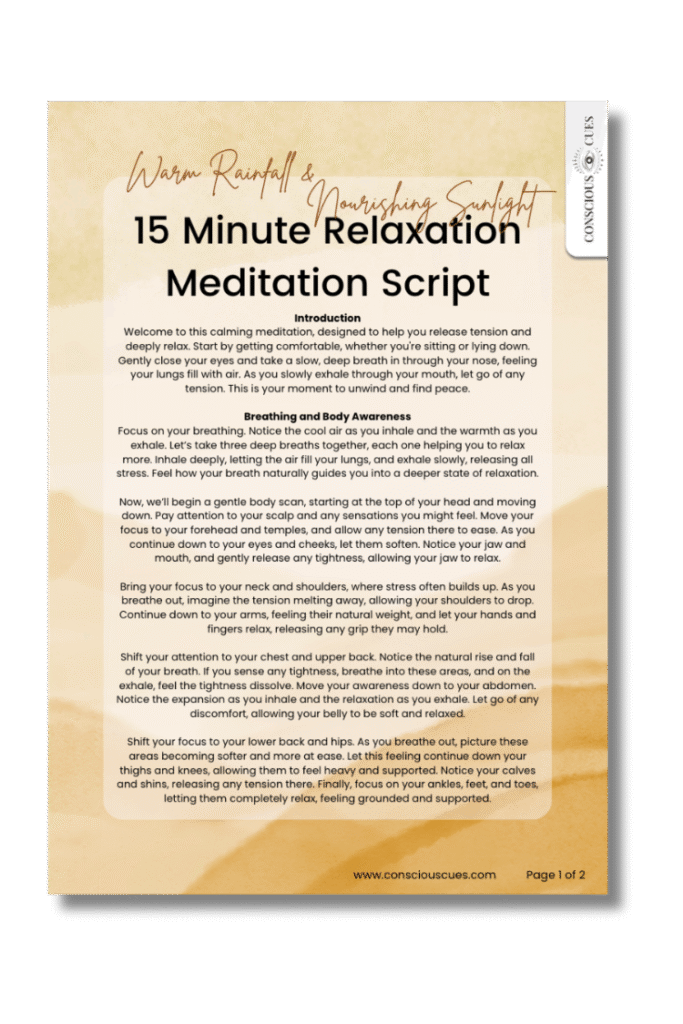
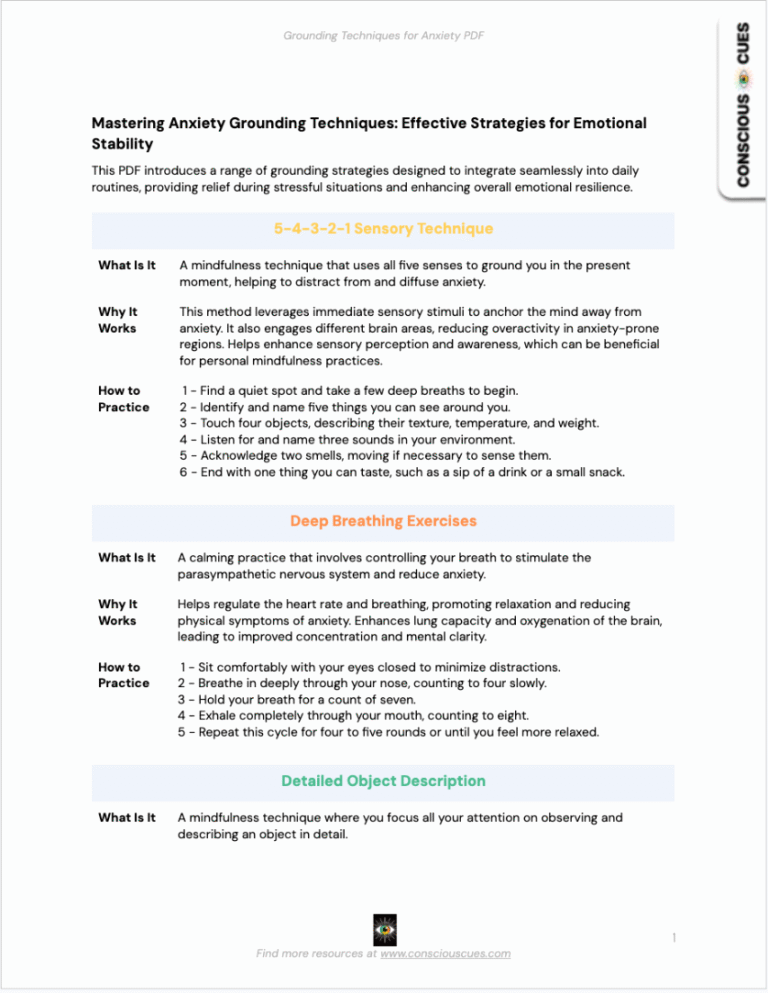
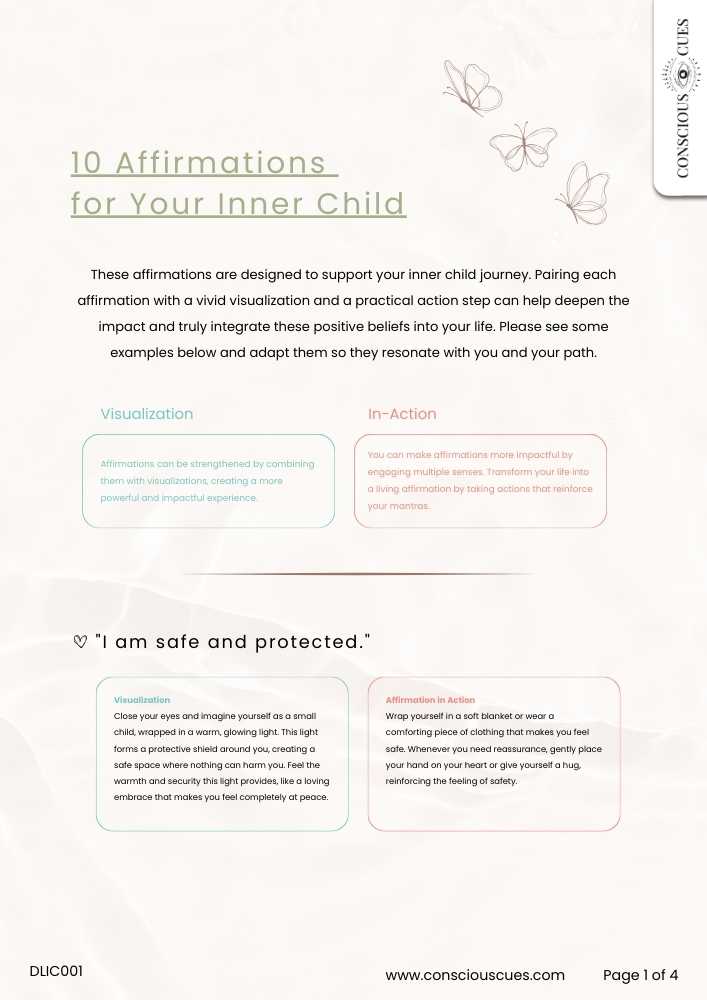
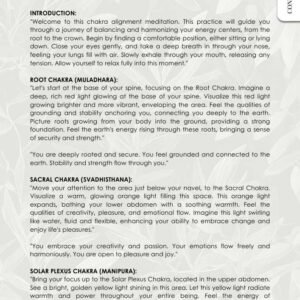
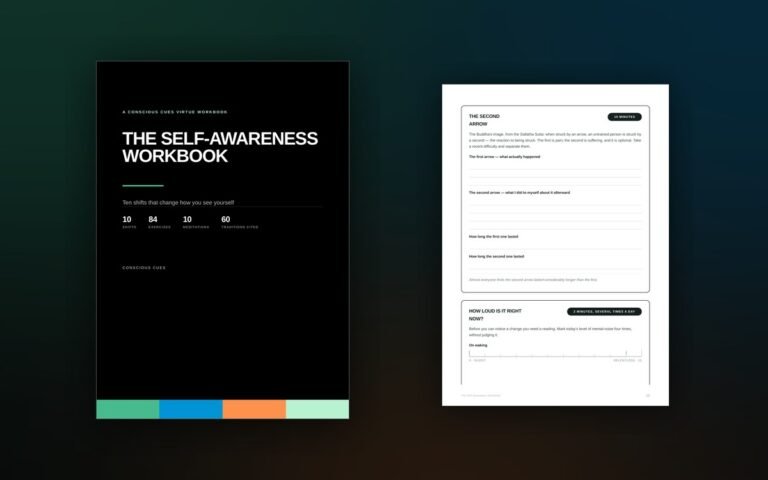
Worksheets & PDFs Actionable downloads to work through specific challenges.
The Resource Center
TOOL
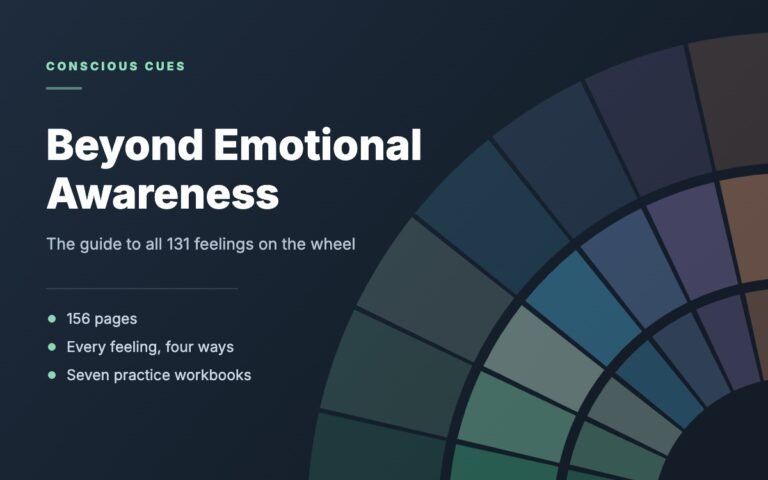
The Interactive Feelings Wheel Explore and work through your emotions
MP3
12-Min "Emergency Landing" Somatic Regulation Audio
GUIDE
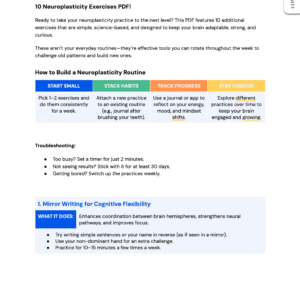
Rewiring Negative Self-Talk Video Guide & Worksheet
PDF
High-Conflict Script Communication Template
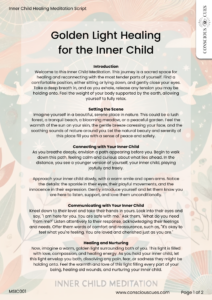
ABOUT SOFIA

I am an Intern Somatic Body Psychotherapist, Neuroscientist, Dancer, and Dance Teacher. My passion for mental health began at age 14, sparked by a natural ability to attune to people’s emotional landscapes.

Over the past 15 years, I’ve travelled the world exploring the human psyche — a journey that shaped my integrated approach, rooted in neuroscience (brain), psychology (mind), philosophy (spirit), and somatic practices like dance (body).

This embedded with my empirical experience has made it a personal and interpersonal discovery – in line with my essence and natural tendency to help those around me deal with various aspects of mental well-being.

It is this multidimensional understanding of what it means to be human that is at the heart of my work.

My work as a somatic body psychotherapist draws on the concept that life is a continuous unfolding process, from the first cell in the womb to the present moment. All aspects of our being need to be considered when navigating mental health issues.

I support each client’s unique process with openness and curiosity of all these aspects, helping transform scattered energy into a coherent source of well-being and vitality, reshaping life in ways that often exceed expectations.

Through my Neuroscience of Dance project and Dance Integrated Healing Method, I offer neurocognitive and movement-based tools for healing.

For the past six years, I’ve supported dancers and educators worldwide through sessions and workshops, focusing on injury recovery, neurological rehabilitation, memory and balance, mental health, and the therapeutic potential of dance. This integration of dance, neuroscience, and psychology began during my postgraduate research on the brain mechanisms behind dance, in collaboration with a leading researcher in the field.

My research has been published in Dance Data, Cognition, and Multimodal Communication and presented at the International Association for Dance Medicine & Science (IADMS) conference. I was honoured when this project was nominated for the IADMS Dance Educator Award (2022) and the Applied Dance Science Award (2021) from One Dance UK, which also recognised me as a Healthier Dancer Practitioner.

Personally, advocate for neurodiversity as a proud dyslexic. I love cats, cute cafes, cats, long walks, writing, cats, poetry.

Did I say cats?

[gravityform id="1"]